Description
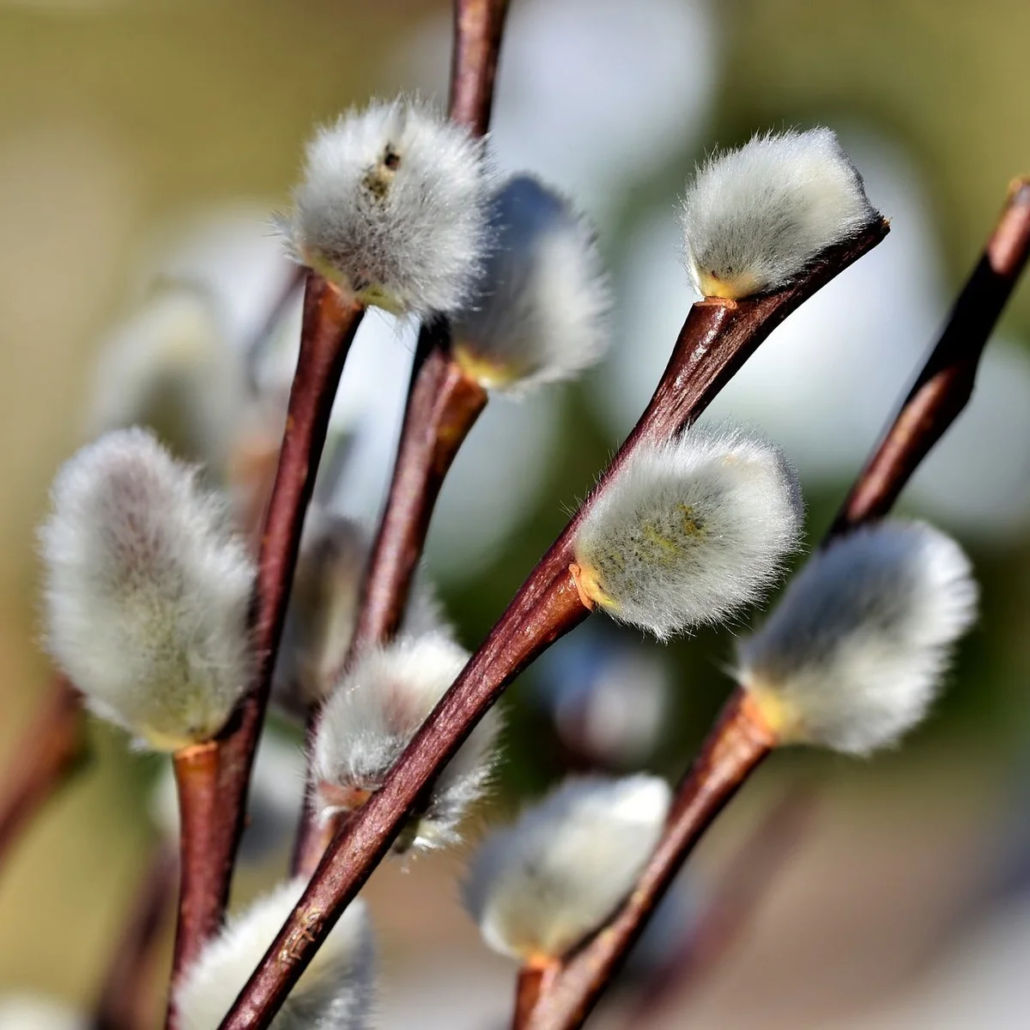
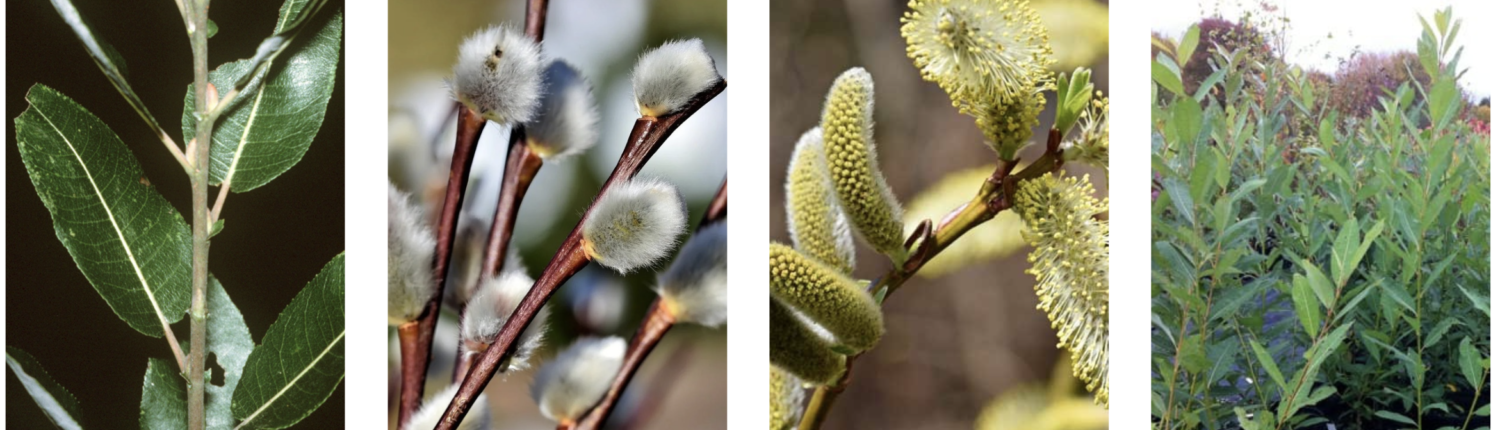
The Pussy Willow (Salix discolor) is a fast-growing deciduous shrub reaching 6–15 feet tall with a spread of 4–12 feet. These plants feature soft, fuzzy gray catkins in early spring that attract pollinators and add unique seasonal interest. Its narrow, green leaves turn yellow in fall. Growing 1–2 feet per year, it’s a great choice for ornamental borders, wetland gardens, or naturalized areas. It thrives in full sun to partial shade with moist to wet, well-drained soil, tolerating a variety of soil types, including sandy or clay-heavy soils.
Ecologically, Pussy Willow is a valuable plant for wildlife, drawing early-season pollinators like bees with its catkins and providing cover for small birds and mammals. Its flexibility in wet conditions makes it perfect for rain gardens or streamside plantings, enhancing local biodiversity. Historically, its branches were used in basketry and crafts, while today it’s prized for its early spring beauty and ecological contributions. It typically lives 20–50 years under optimal conditions.
For best results, plant in a moist location, such as near ponds or low-lying areas, and avoid overly dry sites. Water regularly during the first year to establish a strong root system, keeping soil consistently moist but not waterlogged.
| Serviceberry Facts and Features | |
| Required Sunlight | While the Pussy Willow is adaptable, it thrives best in areas with ample sunlight and regular moisture. Pruning can help maintain its desired shape and size. |
| Mature Size | Growing up to 5 feet tall and 5 feet wide |
| Soil | A Canadian native plant. Which grows in wetter soils. But can also live in dry conditions. |
| Flowers | Late winter to early spring catkins. Then wait until after the catkins. The pussy willow will produce amazing yellow coloured flowers. |