Description
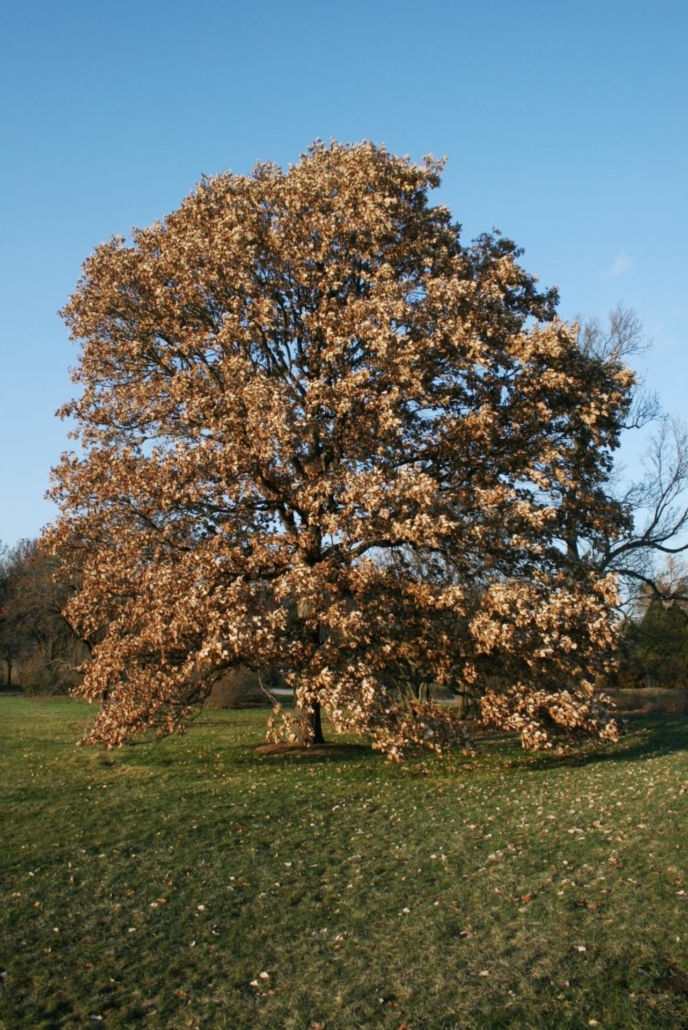
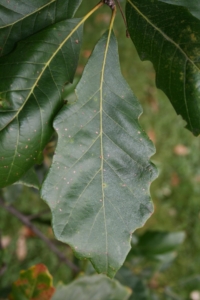
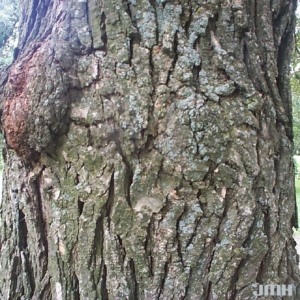
The Swamp White Oak (Quercus bicolor), a majestic native tree, is a perfect fit for Longbranch landscapes. Growing 50–70 feet tall with a spread of 40–60 feet, it features a broad, rounded canopy, deeply lobed leaves that turn yellow to reddish-brown in fall, and distinctive peeling bark on young branches.
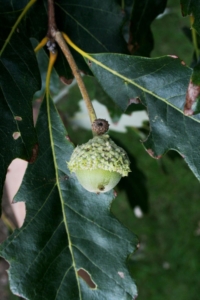
Its acorns, produced in abundance, are a critical food source for wildlife like deer, squirrels, and birds. This resilient tree thrives in full sun and adapts to various soils, including wet or poorly drained ones, making it ideal for low-lying areas.
Ecologically, Swamp White Oak is a cornerstone species. Its dense foliage provides shade and nesting sites, while its acorns support a wide range of animals, enhancing local biodiversity. Tolerant of flooding, drought, and urban conditions, it’s a low-maintenance choice that can live 300–400 years. Its strong wood is valued for furniture and construction, and its stately presence adds timeless beauty to yards or streetscapes.
For best results, plant in a sunny location with moist, well-drained soil and water regularly during the first year to establish deep roots. It’s resistant to most pests, but monitor for oak wilt in some regions. With its durability and ecological benefits, this native oak will enrich your property for centuries.
| Swamp White Oak Facts and Features | |
| Soil | Acid soil, Moist, well-drained soil |
| Moisture | Can tolerate a variety of moisture levels |
| Sun/Shade | Full sun (6 hrs direct light daily) |
| Mature Size | Mature height 50-60 feet Mature width 50-60 feet |
| Shape or form | Broad, Round |
| Fruit | Messy fruit/plant parts |
| Wildlife | Game birds, Game mammals, Migrant birds, Small mammals |


