Description
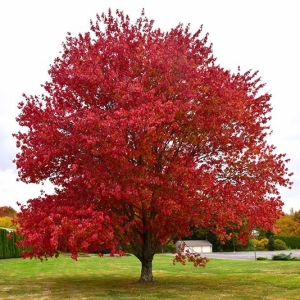
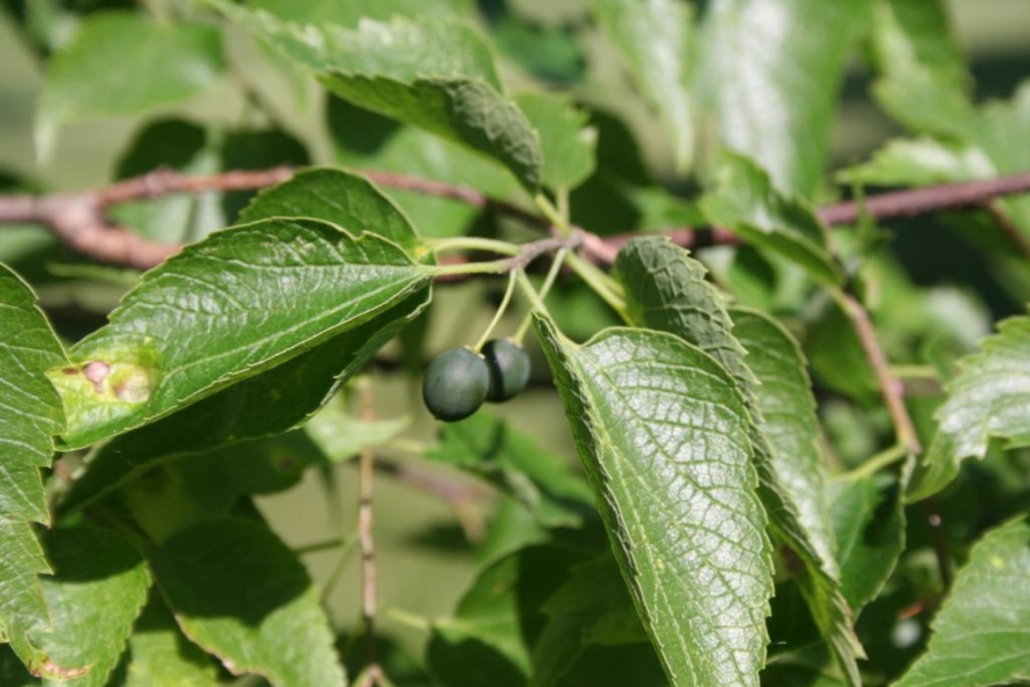
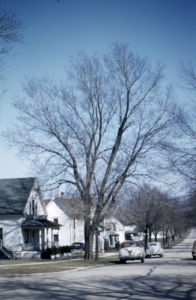
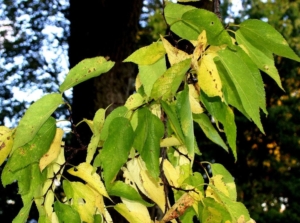
The Hackberry (Celtis occidentalis), a tough and adaptable native tree, is an excellent choice for Longbranch landscapes. Growing 40–60 feet tall with a similar spread, it features a rounded canopy, warty gray bark, and serrated, ovate leaves that turn yellow in fall. Its small, dark purple berries ripen in late summer, persisting into winter and providing a vital food source for birds and wildlife. This hardy tree thrives in a range of conditions, from full sun to partial shade and in various soils, including clay or rocky ones.
Ecologically, Hackberry is a powerhouse. Its dense foliage offers shade and nesting sites for birds, while its berries attract species like cedar waxwings and raccoons, boosting biodiversity. Tolerant of drought, flooding, and urban pollution, it’s a low-maintenance option that can live 150–200 years. Its wood is historically used for furniture, and its rugged beauty adds character to any yard, whether as a shade tree or street planting.
For success, plant in a well-drained spot and water consistently during the first year to establish roots. Hackberry resists most pests but may develop harmless leaf galls. Avoid overwatering to prevent root rot.
| Hackberry Facts and Features | |
| Required Sunlight | Full sun (6 hrs direct light daily), Partial sun / shade (4-6 hrs light daily) |
| Mature Size | Mature height 40-60 feet Mature width 40-50 feet |
| Growth Rate | Fast, Moderate |
| Soil | Alkaline soil, Moist, well-drained soil |
| Foliage | Deciduous (seasonally loses leaves) |
| Flower color and fragrance | Inconspicuous |
| Wildlife Features | Cavity-nesting birds, Game birds, Game mammals, Migrant birds, Songbirds |